A radon mitigation system is one of the most effective ways to reduce dangerous radon levels in your home. But like any mechanical system, it won’t run flawlessly forever. Recognizing the early warning signs that something isn’t working properly and you need a radon system repair can help you act before radon levels climb back into a hazardous range.
How Do I Know If My Radon Mitigation System Is Still Working?
There are several straightforward ways to check whether your radon mitigation system is functioning correctly. Most systems include a visual indicator, like a U-tube manometer, that shows whether the fan is creating adequate suction. Beyond that, there are other signs to watch for that could signal it’s time for a radon system repair.
- Check the manometer. The liquid in the U-tube should show uneven levels, indicating active pressure. If the levels are even, the system may not be creating suction.
- Listen for the fan. A properly running fan produces a low, steady hum. Complete silence could mean the motor has failed.
- Test your radon levels. Even if the system appears to be running, periodic radon testing confirms it’s actually reducing levels below the EPA’s recommended threshold of 4.0 pCi/L.
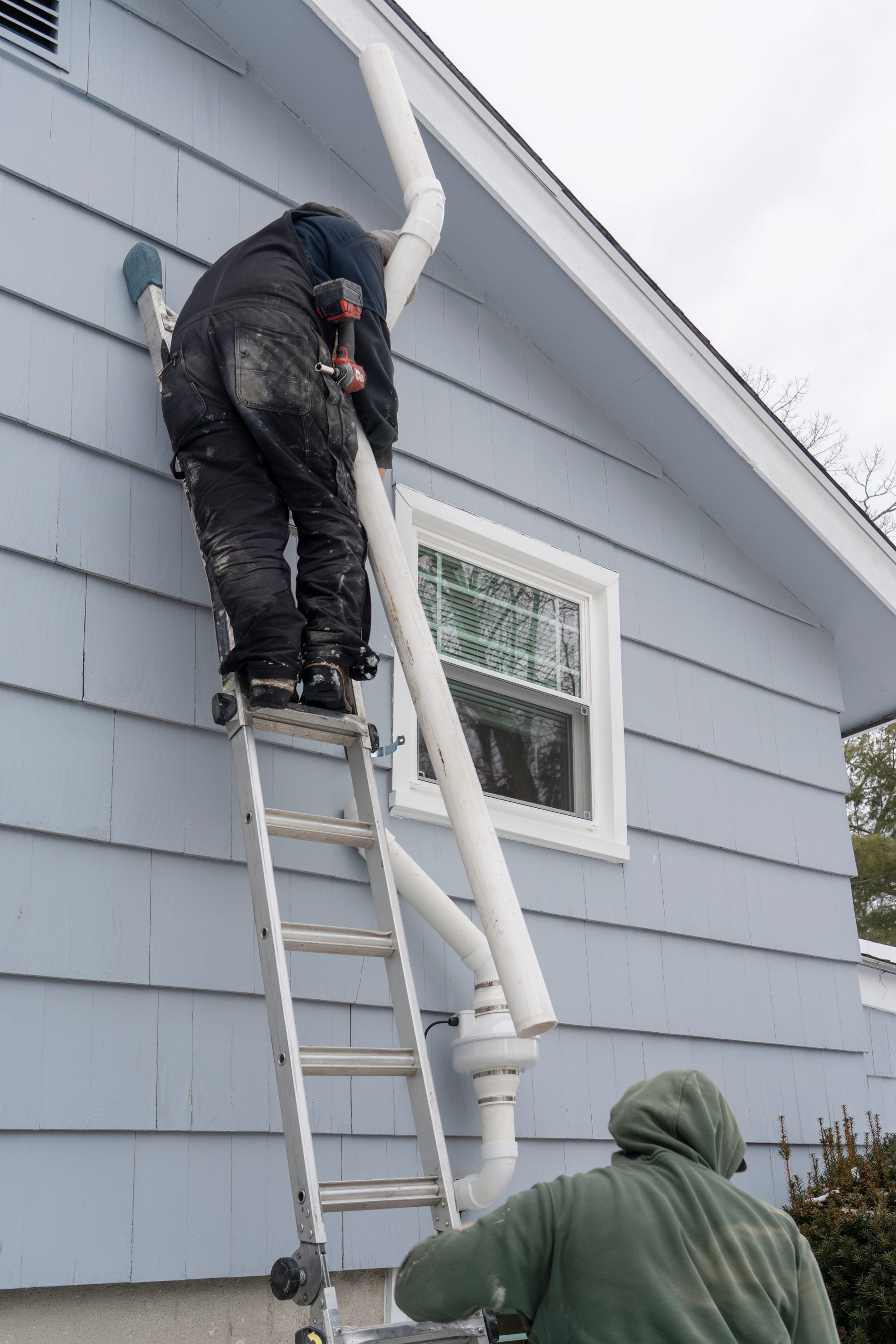
- Look for visible damage. Cracked or disconnected PVC piping, damaged seals, or loose fittings can all compromise the system’s overall performance.
- Monitor your energy bills. A sudden spike could indicate the fan is struggling or running inefficiently, which often points to a mechanical issue.
What Does It Mean If My Radon Fan Is Making Strange Noises?
A radon fan that starts producing unusual sounds is often one of the earliest signs that a radon system repair may be needed. Rattling, grinding, or buzzing typically points to a mechanical issue within the fan motor, such as worn bearings or a failing capacitor.
In some cases, the noise could also stem from vibrations in the PVC piping rather than the fan itself. Loose mounting brackets or pipes that aren’t properly secured can amplify operational sounds and make the system seem louder than normal.
While a noisy fan doesn’t always mean an immediate failure, ignoring it often leads to bigger problems. A fan that’s struggling to operate will eventually burn out, leaving your home without active radon reduction. If you notice any change in how your system sounds, it’s worth having a certified technician evaluate the unit before a small issue turns into a costly replacement.
What Happens If My Radon Fan Stops Working?
When a radon fan stops running, your mitigation system can no longer actively draw radon gas from beneath your home’s foundation. Without that continuous suction, radon levels can begin rising within hours and may return to pre-mitigation concentrations in just a few days.
The health risks associated with prolonged radon exposure are significant. Radon is the second leading cause of lung cancer in the United States, and elevated levels inside the home should never be left unaddressed for an extended period.
If you suspect your fan has stopped, check the manometer first. If the liquid levels are even, suction has been lost and the fan likely needs attention. From there, scheduling a professional radon system repair should be a top priority. The Radon Bros can typically diagnose and resolve fan failures quickly, helping restore your system’s performance before radon levels become a long-term concern.
How Often Should a Radon System Be Inspected or Tested?
Routine inspection and testing are the best ways to catch problems early and avoid unexpected system failures. Even when everything appears to be running smoothly, radon levels can shift due to changes in soil conditions, foundation settling, or gradual wear on system components. A consistent schedule helps ensure your system continues performing as intended.
- Test radon levels every two years. The EPA recommends retesting at least every two years to confirm your system is maintaining levels below 4.0 pCi/L.
- Visually inspect the system monthly. A quick glance at the manometer and a listen for the fan takes only a few seconds and can reveal issues early.
- Schedule a professional inspection annually. A certified technician can evaluate fan performance, check seals and connections, and identify wear that isn’t visible to most homeowners.
- Retest after any home renovations. Foundation work, new HVAC installations, or changes to your home’s ventilation can all affect how your system operates.
How Long Do Radon Mitigation Systems Last Before Needing Repair?
Most radon mitigation systems are built to last, but no system is immune to wear over time. The fan is typically the first component to require attention, while the piping and other structural elements tend to hold up much longer. Understanding the general lifespan of each part can help you plan ahead and budget for a radon system repair when the time comes.
- Radon fans typically last 5 to 10 years. Lifespan depends on the fan’s quality, how hard it’s working, and environmental factors like moisture and temperature.
- PVC piping can last 20 years or more. Unless physically damaged or improperly installed, the piping rarely needs replacement.
- Sealant and caulking may degrade over time. Foundation cracks and pipe penetration seals should be checked periodically and reapplied as needed.
- Electrical components can wear down. Wiring connections and junction points should be inspected during routine maintenance to prevent unexpected outages.
- Harsh climates can accelerate wear. Systems exposed to extreme cold or moisture may require more frequent attention.
Keep Your Radon System Running Strong
A well-maintained radon mitigation system protects your home year after year, but only when every component is working properly. If you’ve noticed warning signs like unusual noises, shifting manometer readings, or rising radon levels, don’t wait to address them. Contact The Radon Bros to schedule a professional inspection and get your system back to full performance before a minor issue becomes a major problem.