Radon is one of the most misunderstood indoor air concerns facing homeowners today. We regularly speak with people who assume they don’t need radon testing based on where they live, how old their home is, or what they’ve heard from neighbors. Unfortunately, those assumptions can delay action that matters. By clearing up some of the most common radon myths, we aim to give homeowners accurate information and a clear reason to consider professional testing. Reach out to us today to schedule an appointment.
Myth 1: Radon Is Only a Problem in Certain Parts of the Country
The truth: One of the most common misconceptions we hear is that radon only affects homes in specific regions. While it’s true that some areas have higher average radon readings, radon has been found in every U.S. state. Geographic maps show trends, not guarantees.
Radon comes from the natural breakdown of uranium in soil and rock beneath homes. Because soil composition and underground conditions vary widely, two homes in the same county—or even on the same street—can have very different radon levels. This means location alone is never a reliable indicator of risk.
We’ve tested homes well outside designated “high radon zones” that still showed elevated levels. The only way to know what’s happening inside your home is to test it directly. Relying on regional averages instead of real data can lead homeowners to skip testing altogether, even when conditions warrant it.
Myth 2: Only Older Homes Have Radon Issues
The truth: Another widespread belief is that radon is mainly a problem in older houses. In reality, home age has little to do with radon levels. We routinely test newer homes that show elevated readings, sometimes even higher than nearby older properties.
Radon enters a home through contact with the ground, not through aging materials. Factors like foundation type, soil permeability, construction methods, and airflow patterns all play a role. Newer homes can actually trap radon more effectively due to tighter construction and modern energy-efficiency practices.
Basements, crawl spaces, slab foundations, and even homes with advanced ventilation systems can all experience radon intrusion. Whether a home was built 5 years ago or 50, testing is the only way to understand its actual radon profile.
Myth 3: If My Neighbor’s House Doesn’t Have Radon, Mine Won’t Either
The truth: This myth is especially common in planned developments or neighborhoods with similar-looking homes. We often hear homeowners say they don’t need testing because a neighbor’s results came back low. Unfortunately, radon doesn’t work that way.
Radon levels can vary dramatically between adjacent homes, even if they were built at the same time and share similar layouts. Differences in soil conditions, foundation sealing, sump systems, or airflow can all influence how radon moves into a structure.
We’ve tested homes next door to each other with readings that differed by several picocuries. Assuming your home matches someone else’s results can lead to a false sense of confidence. Each property is unique, and each deserves its own evaluation.
Myth 4: Once You Test, You Never Need To Test Again
The truth: Testing once and assuming results will stay the same indefinitely is another misconception that can create blind spots. Radon levels can change due to renovations, foundation work, new HVAC systems, weather patterns, or shifts in how a home is ventilated.
Even changes like finishing a basement or sealing windows can alter airflow in ways that affect radon concentration. We recommend periodic testing, especially after major structural or mechanical updates.
Testing isn’t a one-and-done event—it’s a way to stay informed as your home changes. Regular testing helps homeowners make decisions based on current conditions, not outdated data.
Myth 5: Radon Testing Is Complicated and Expensive
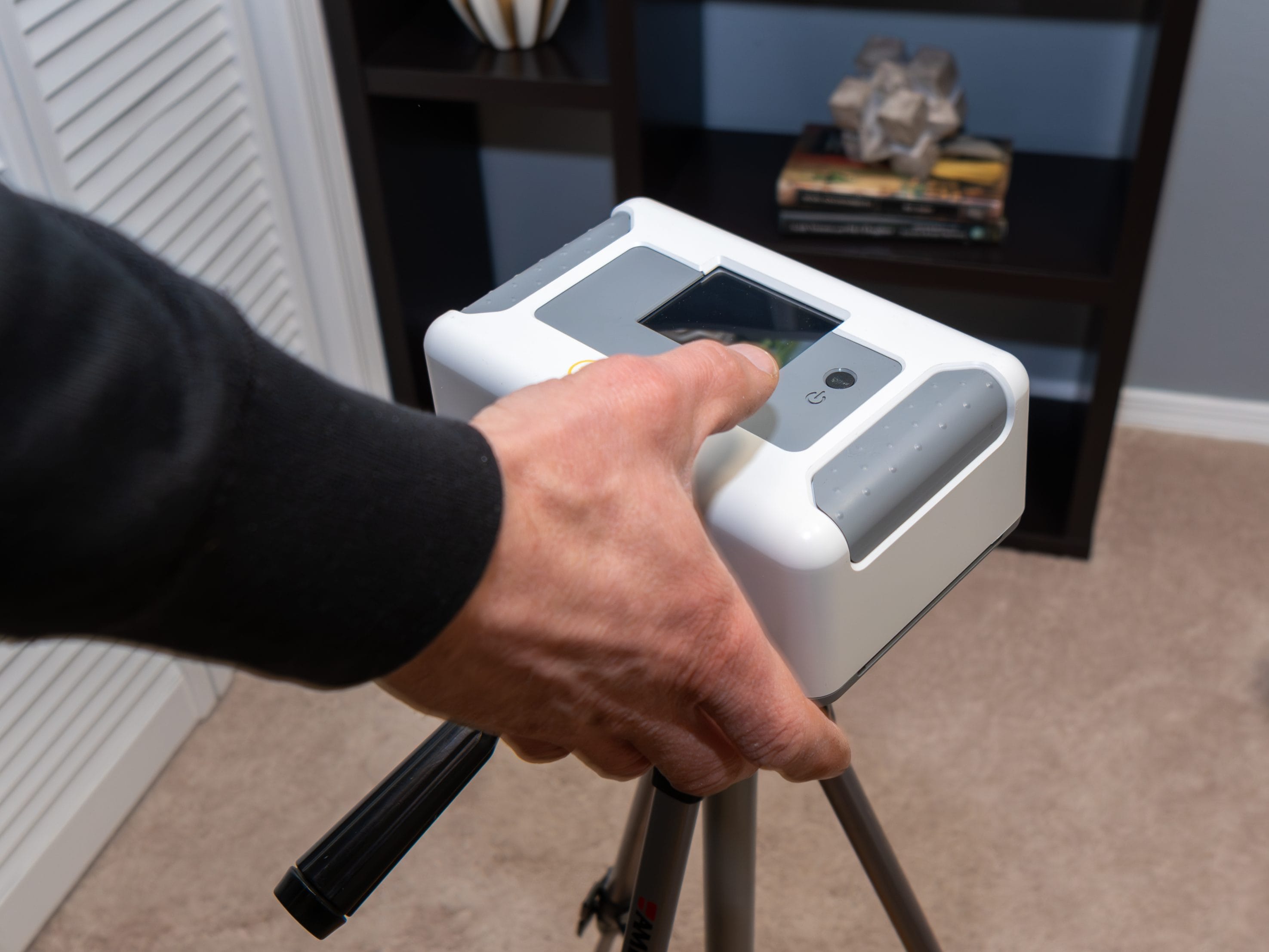
The truth: Many homeowners delay testing because they believe it involves complicated equipment or a major expense. In reality, radon testing is typically straightforward, and there are multiple options available depending on the situation.
Short-term and long-term tests are widely used, and professional testing provides clear, reliable results without disrupting daily life. In many cases, we’re able to offer free phone estimates for testing and mitigation, based on a strict pre-screening process that works for most homes.
When in-person quotes are needed, we schedule them efficiently and transparently. Testing is often far more accessible than people expect, and the clarity it provides can help homeowners take informed next steps.
Take the Next Step With Professional Radon Testing
Radon myths can delay action, but accurate information empowers homeowners to make confident decisions. Testing is the only way to know what’s happening inside your home, and it’s often simpler than expected. If you’ve been relying on assumptions about location, age, or past results, now is a good time to reassess. Contact us to discuss testing options and determine what approach makes sense for your home.